According to the CDC, there are three types of influenza viruses: A, B, and C. Influenza A and B are the two main types of flu that spread between humans and cause flu epidemics. Influenza A is the most harmful virus, as it can cause severe illness. Some subtypes of influenza A that have caused the most well-known outbreaks of human deaths include: H1N1, which caused the Spanish flu in 1918 and the swine flu in 2009; H2N2, which caused the Asian flu in 1957; H3N2, which caused the Hong Kong flu in 1968; and H5N1, which caused the bird flu in 2004.
Influenza B affects humans exclusively and is less common than influenza A. It mutates about two to three times more slowly than influenza A. Because humans are the natural carriers of influenza B, the influenza B virus generally does not cause pandemics.
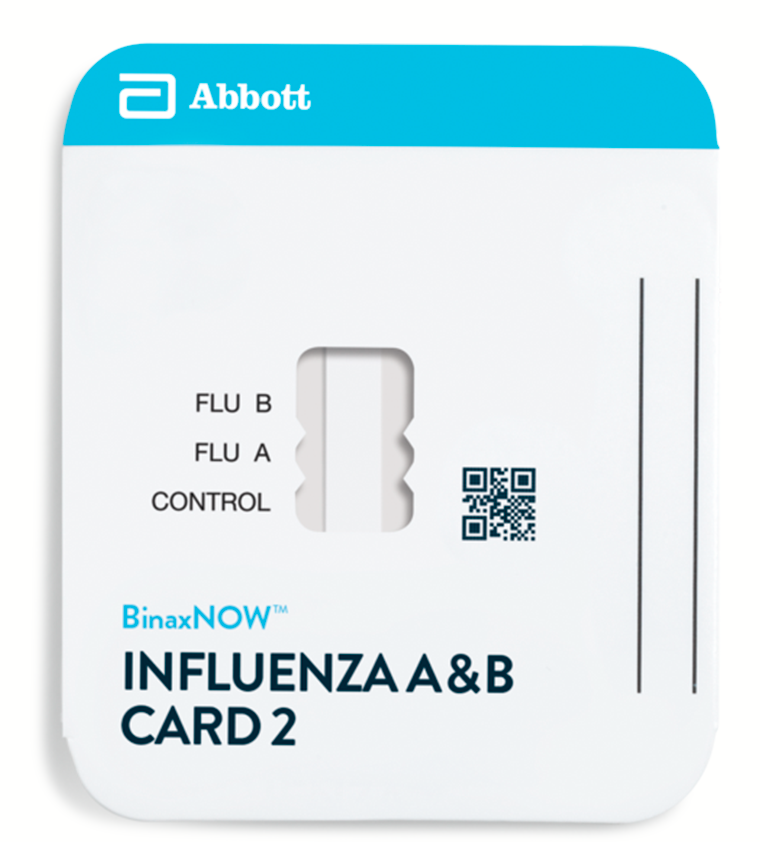
BinaxNOW® Influenza A & B is an in vitro immunochromatographic assay for the qualitative detection of influenza A and B nucleoprotein antigens in nasopharyngeal and nasal swab specimens, and nasal washes or aspirates. It is intended as an aid in the rapid differential diagnosis of influenza A and B viral infections.